
No products in the cart.
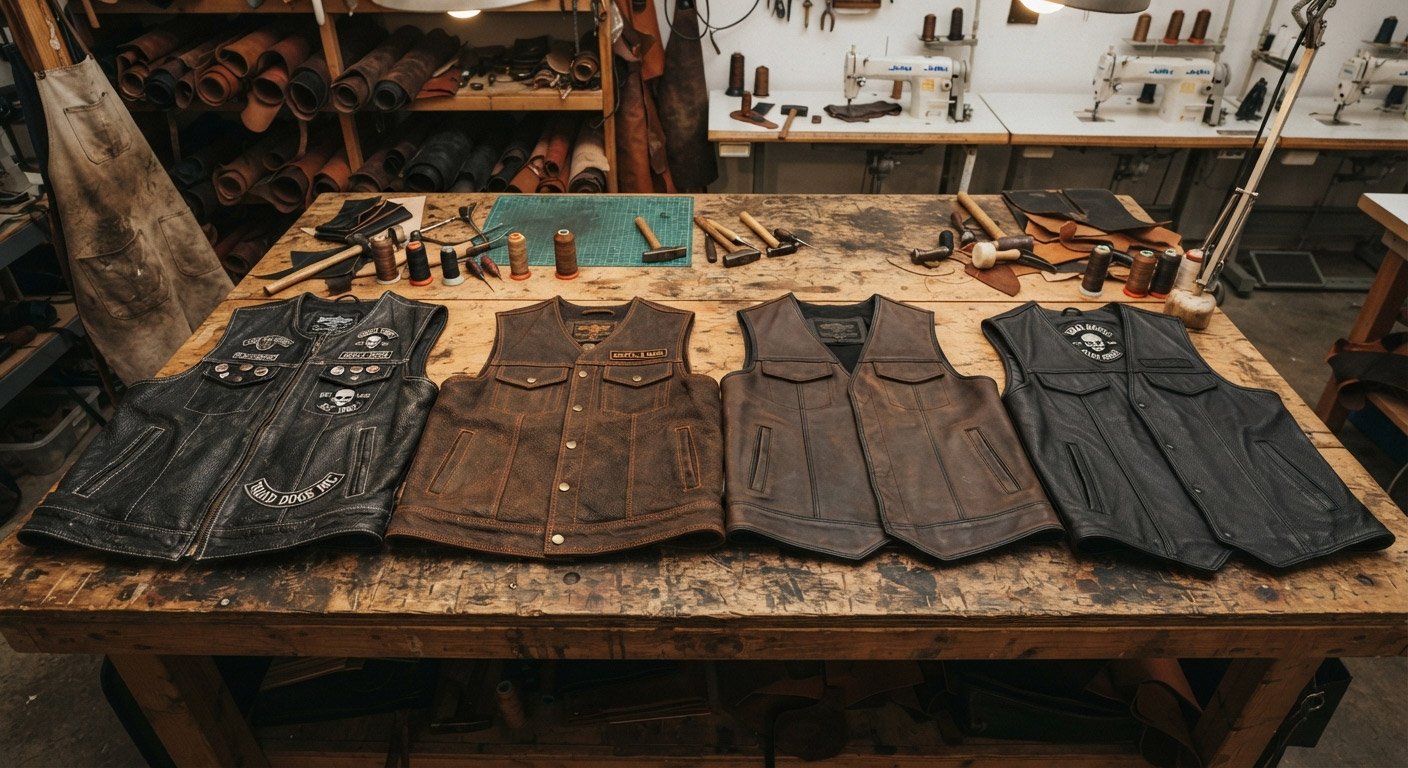
Custom Leather Motorcycle Vest Guide: Everything You Need to Know
A good leather motorcycle vest comes down to five decisions: the right leather type for your riding style, an accurate chest-based size, a pocket layout that matches how you actually carry things, a back panel built for patches if you need one, and construction that holds up to real road wear — not just how it looks on a hanger.
This guide walks through every one of those decisions. It’s the hub for our full vest-buying series — each section below links to a deeper, dedicated guide on that specific topic.
Why This Guide Exists
Most leather vest content online is written by people who’ve never cut a hide. This one isn’t. LMCV’s workshop has built leather vests every day since 2005 — nothing else, just vests. That focus means we’ve seen every fit problem, every leather failure, and every patch-placement question a rider can bring us. This guide is built from that repetition, not from a keyword list.
If you want the story behind the workshop itself, that’s covered on our About Us page. This guide is about the vest — what makes one good, and how to get the right one for you.
1. How to Choose the Right Leather Type
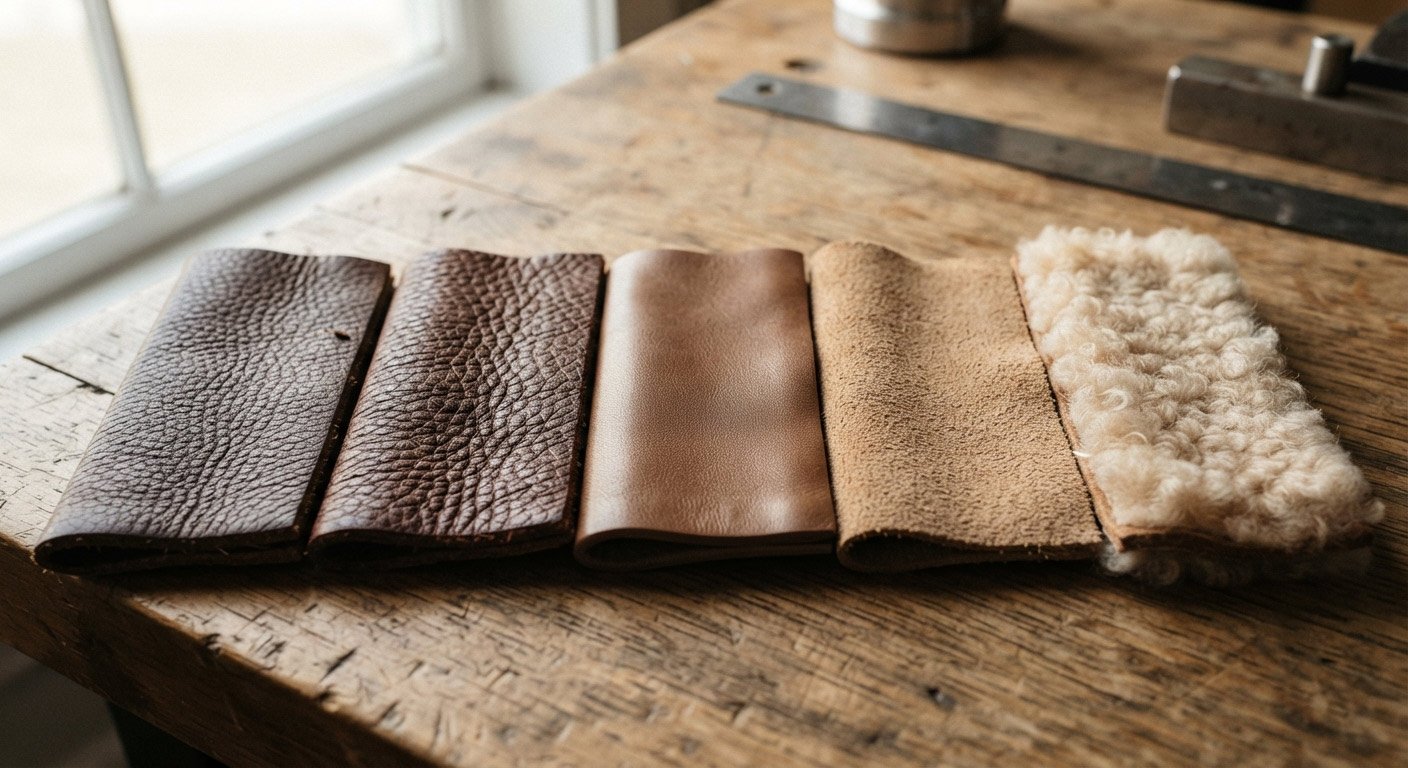
Leather type is the single biggest factor in how a vest performs and ages. LMCV works with seven types, each suited to a different priority:
- Full-grain cowhide — the standard choice for riding vests. Highest abrasion resistance, develops a rich patina over years of wear.
- Buffalo leather — thicker and more textured than cowhide, built for maximum durability.
- Lambskin — the softest option, popular for women’s and fashion-forward styles, though less abrasion-resistant.
- Goat and sheepskin — a mid-range balance of softness and durability.
- Deer leather — naturally water-resistant and breathable.
- Shearling — leather outside, wool fleece inside, built for cold-weather riding.
Full-grain vs. top-grain matters too: full-grain keeps the complete outer hide layer with natural character marks and the best long-term durability, while top-grain is sanded smoother for a more uniform look but slightly less rugged over decades of use.
Read the full breakdown: Cowhide vs. Buffalo vs. Lambskin: Which Leather Vest Is Right for You?
Browse leather options in the Men’s Leather Vest and Women’s Leather Vest collections.
2. How to Size a Vest Correctly
Leather doesn’t stretch to forgive a sizing mistake the way denim does. The rule that matters most: size by actual chest circumference in inches, never by S/M/L labels, which aren’t standardized across brands.
The four measurements you need are chest, waist, back length, and shoulder width — taken with a soft tape measure, ideally over the layer you’ll actually wear underneath the vest.
Read the full guide: How to Measure Yourself for a Leather Motorcycle Vest — includes LMCV’s complete XXS–8XL size chart and common fit mistakes.
3. Pocket Layouts and Concealed Carry
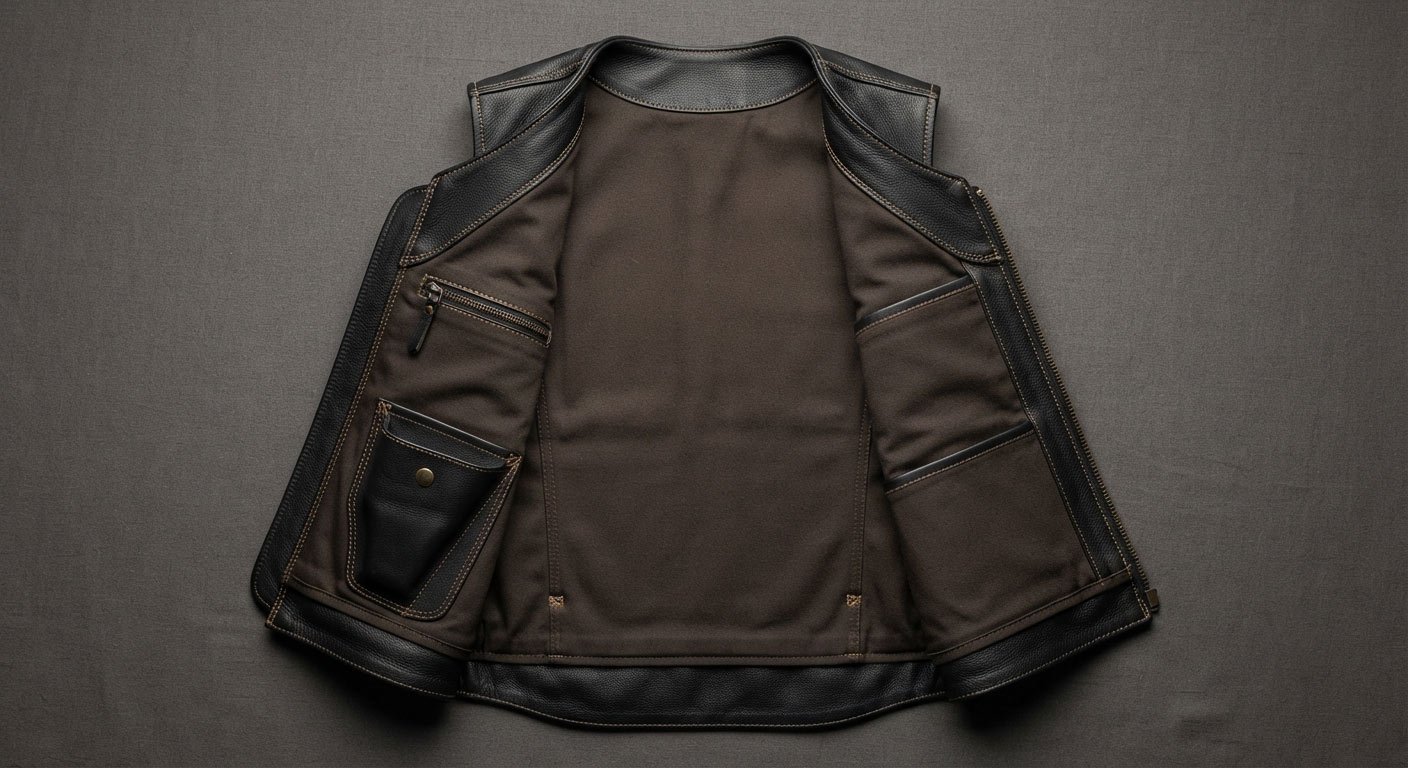
Pocket configuration should match how you actually ride, not how a vest looks on a rack. Riders generally fall into three categories:
- Minimal carry — one interior pocket for phone and wallet.
- Standard touring — exterior chest pockets plus an interior document/phone pocket.
- Concealed carry (CCW) — interior holster pockets with secure snap or zip closure, positioned for a fast, consistent draw.
Read the full guides: Types of Leather Vest Pockets, Concealed Carry Leather Vest Guide
See CCW-ready styles in the Biker & Motorcycle Vests collection.
4. Back Panels and Patch Placement
A leather MC vest — also called a “cut” — is built differently from a general riding vest. The defining feature is the back panel: a single, clean piece of leather with no center seam, built specifically to hold a three-piece patch set (top rocker, center emblem, bottom rocker) without interrupting the design.
Patches should always be hand-sewn by someone experienced with leather, never ironed on — adhesive backing fails over time.
Read the full guides: How to Attach Patches to a Leather MC Vest, Why Back Panel Construction Matters for MC Patches
Club and bulk patch orders go through our Bulk Order page.
5. Layering a Vest Across Seasons
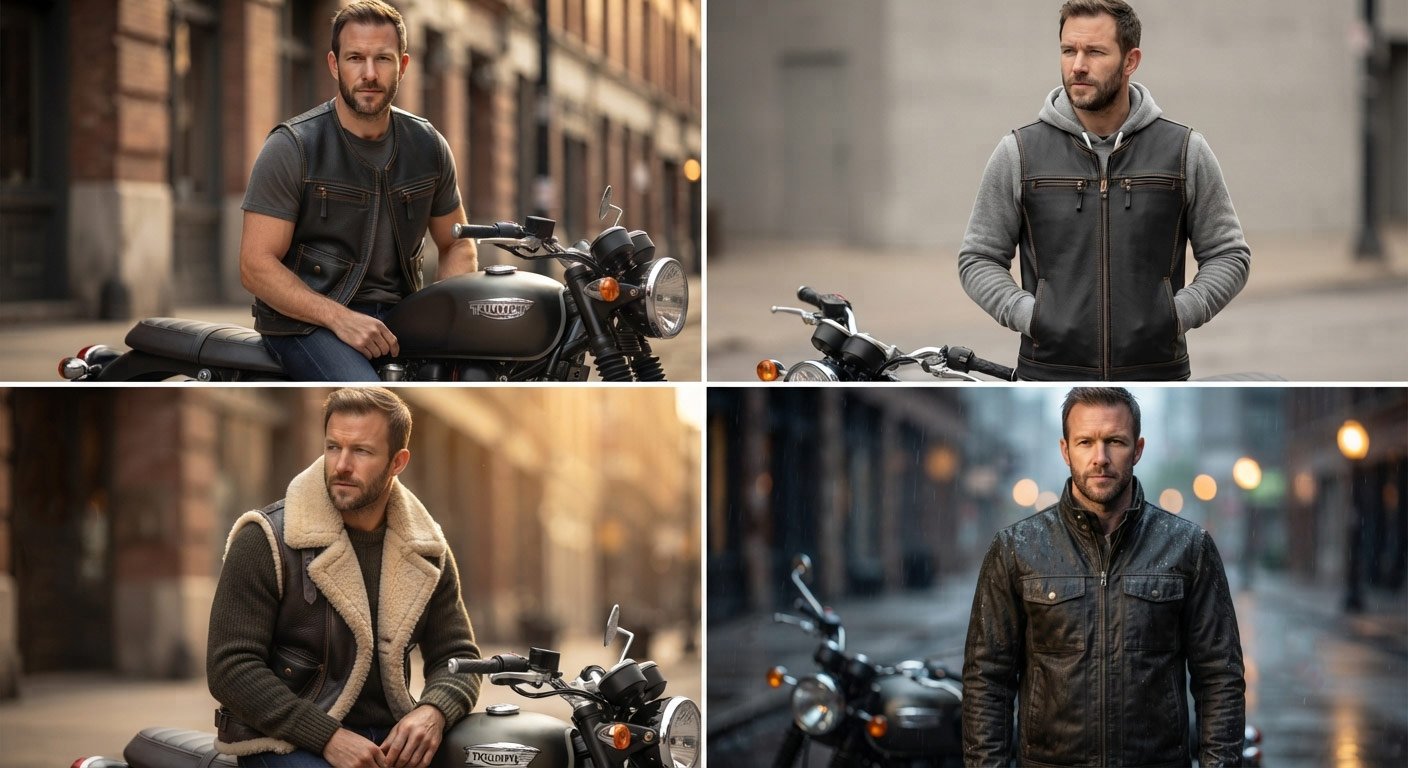
A leather vest earns its place in a riding wardrobe by working across the full calendar. The key is sizing for your heaviest likely layering configuration, not your bare chest — armhole width is fixed once built, but side-lace panels can adjust torso width by 1–2 inches.
Read the full guide: How to Layer a Leather Vest for Year-Round Riding
Cold-weather riders should also see the Shearling Vest and Puffer Vest collections.
6. Side-Lace vs. Solid-Side Construction
Side-lace vests use adjustable lacing at the ribcage to fine-tune width by an inch or two — useful for riders between sizes or who layer heavily by season. Solid-side vests have a fixed, cleaner silhouette with no lacing, generally preferred for a sharper club-cut look.
Read the full guide: Side-Lace vs. Solid-Side Leather Vests: Which Fits Better?
7. The Custom Ordering Process
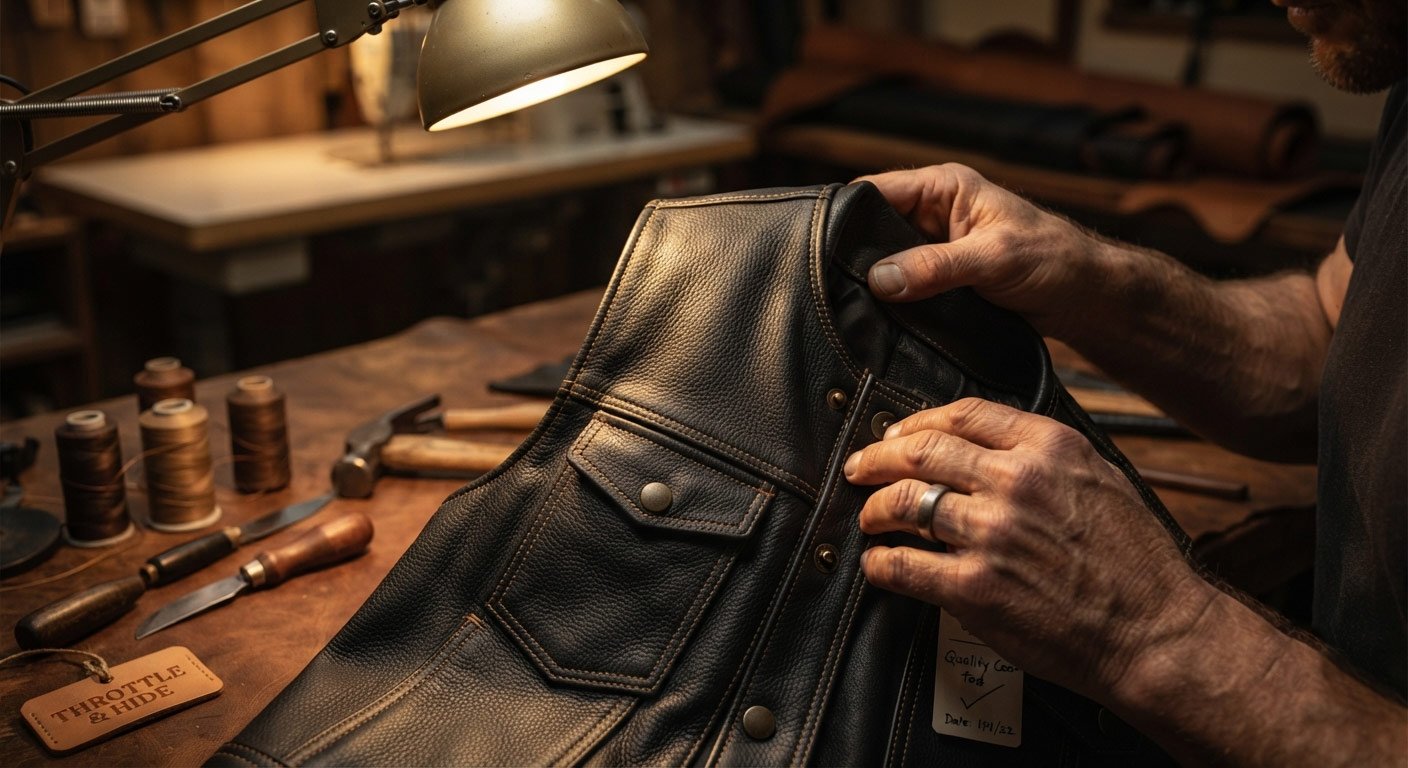
Every LMCV vest is made to order — no pre-stocked inventory. Once your order is placed, a hide is selected specifically for your build, cut to your measurements, and moved through cutting, stitching, and finishing before a final quality inspection. Full production runs about 8 business days, plus shipping.
Full step-by-step detail is covered in the FAQ Help Center.
8. Quick Buying Checklist
- Leather type matched to your priority (durability, softness, weather resistance)
- Chest, waist, back length, and shoulder measured with a tape — not guessed
- Pocket layout that matches how you actually carry (minimal, standard, or CCW)
- Back panel style decided if patches are involved (blank vs. pre-attached)
- Layering plan sized for your heaviest realistic under-layer
- Side-lace or solid-side based on adjustability vs. a fixed silhouette
Start Your Vest
Every guide linked above goes deeper into one decision covered here. Ready to start? Browse Men’s, Women’s, or Western styles, or start a fully custom order through Personalization.
FAQ (for schema markup)
Q: What’s the difference between a leather biker vest and an MC vest (cut)?
A: A biker vest is a general riding vest for style and wind protection. An MC vest, or “cut,” is built with a full blank back panel specifically for a club’s three-piece patch set and is typically made from heavier, more durable leather.
Q: How long does a custom leather vest take to make?
A: LMCV’s production window is about 8 business days from order to completion, since every vest is cut and built from fresh leather rather than pulled from stock. Add shipping time on top of that.
Q: What leather type lasts the longest for daily riding?
A: Full-grain cowhide and buffalo leather offer the highest abrasion resistance and are the standard recommendation for vests that see regular road use.
About author

Related posts
Side-lace vests use adjustable lacing at the ribcage for roughly 3–4 inches of torso adjustment — useful for riders who layer heavily by season or... Continue reading
A patch-ready back panel is a single, uninterrupted piece of leather with no vertical center seam, cut from leather in the 2–3oz range (about 0.8–1.2mm)... Continue reading
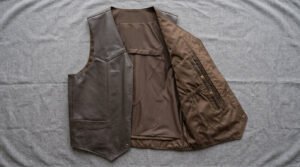
A true CCW-ready vest has one or more interior pockets sized and positioned to hold a holstered handgun at mid-chest level, opening toward the front... Continue reading
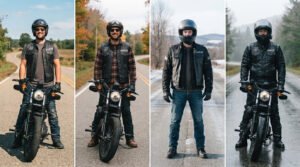
In summer, wear the vest alone over a lightweight or moisture-wicking shirt. In fall and spring, layer it over a flannel or thermal shirt. In... Continue reading
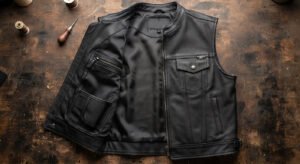
Pocket configuration should match how you actually carry, not how a vest looks on a rack. Riders who run saddlebags need only 2–4 pockets; everyday... Continue reading
Add comment