
No products in the cart.
Concealed Carry Leather Vest Guide: Pocket Placement That Actually Works
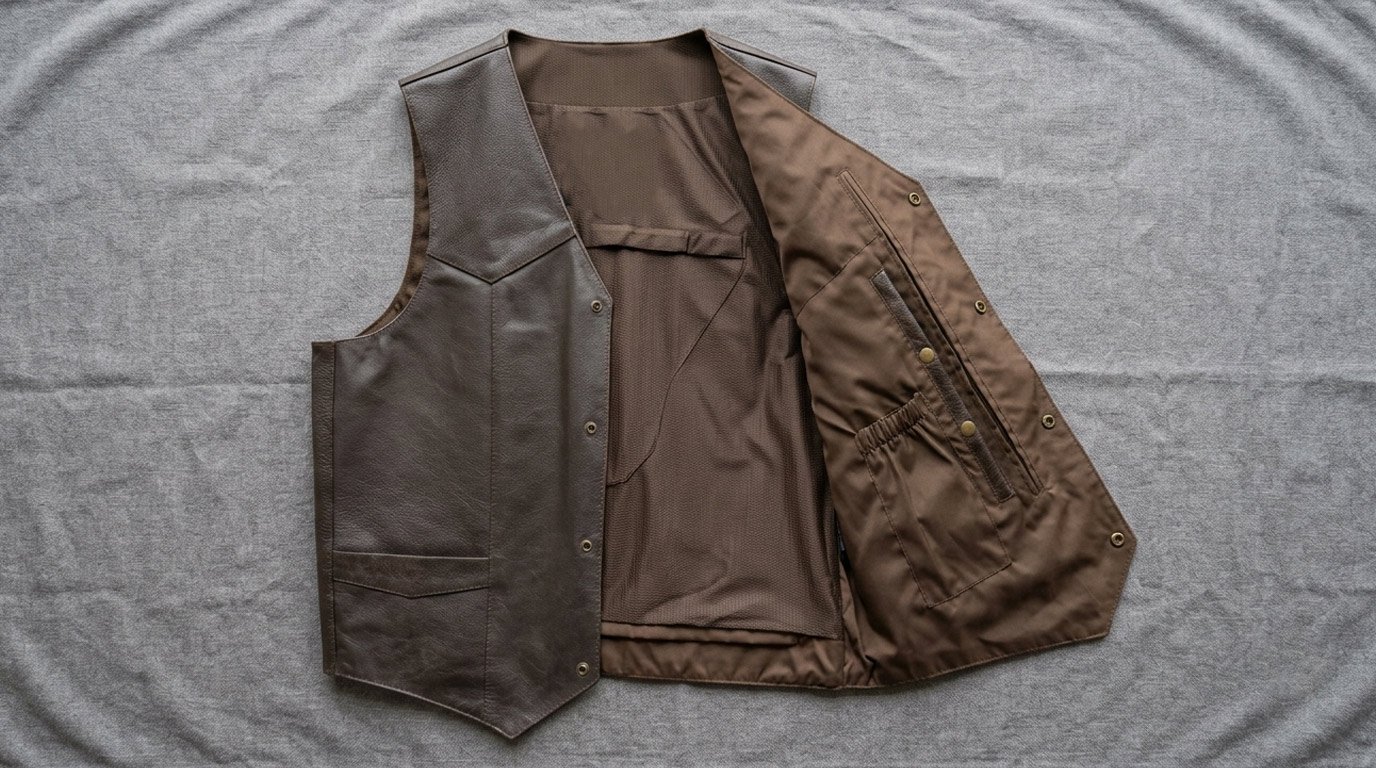
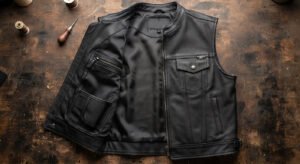
A true CCW-ready vest has one or more interior pockets sized and positioned to hold a holstered handgun at mid-chest level, opening toward the front for a reachable draw while seated, with a reinforced backing panel to prevent sagging and printing. Pocket placement matters far more than pocket count for a rider who actually carries.
What Makes a Pocket Actually CCW-Ready
Plenty of vests advertise a “gun pocket,” but not every interior pocket is built for real carry. The single most important thing to verify before buying is pocket placement and depth — not collar style, not snap type, not price.
- Position: mid-chest level, reachable by leaning slightly forward and reaching inside the front panel — not near the hem, which is nearly unreachable when seated
- Orientation: opens toward the front. A pocket that opens toward the back cannot be reached across the chest without dismounting first
- Backing: a reinforced panel behind the pocket that holds its shape under the weight of a firearm and prevents the outline from printing through the leather
- Depth and size: sized to actually hold your specific holster setup — test fit before ordering if at all possible
Vest Length Changes Everything
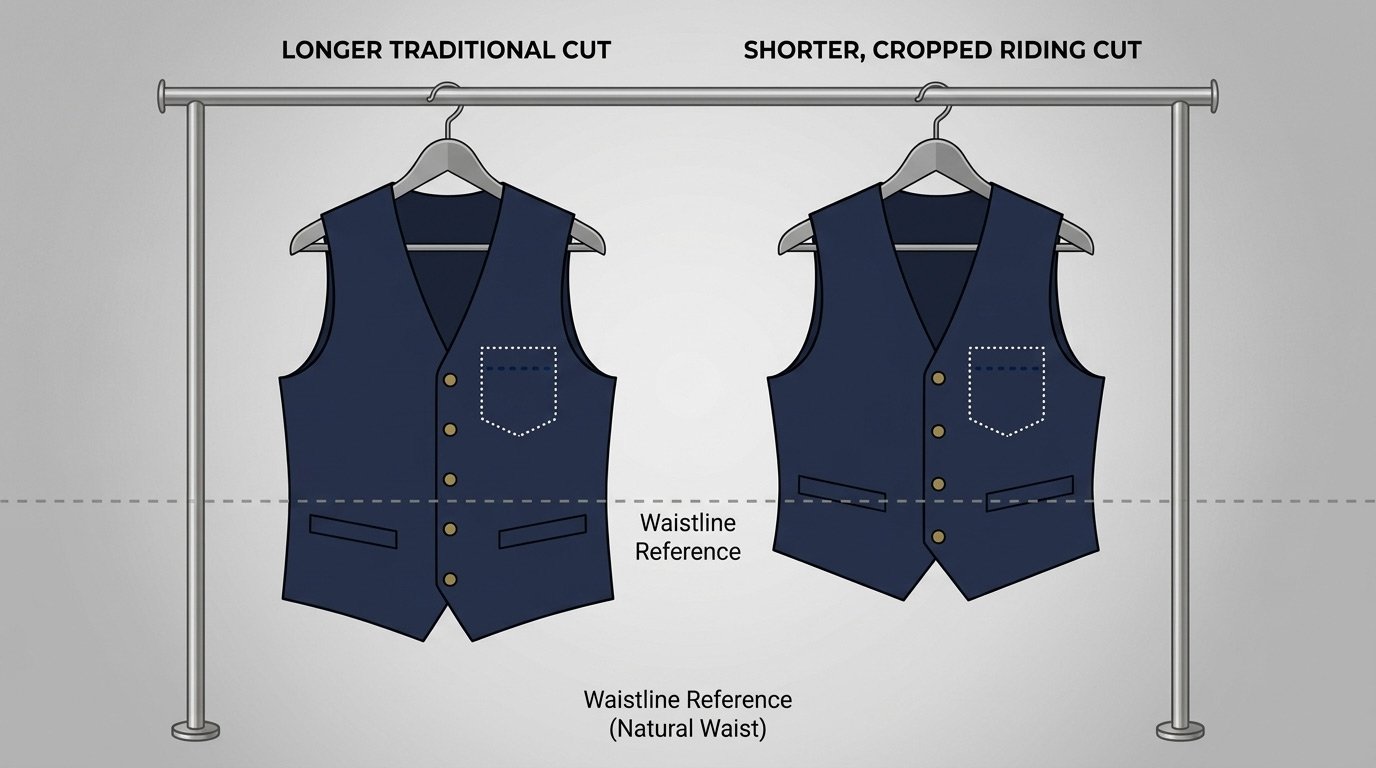
A longer vest positions the interior pocket lower on the body — closer to hip level than chest level once you’re seated and leaning forward on the bike. A shorter or riding-specific cut generally places the pocket higher on the chest, which is meaningfully more accessible in the actual riding position, not just standing in front of a mirror.
Closure Type: Speed vs. Security
- Snap closures — fastest, one-handed access
- Zippers — most secure, holds the firearm in place through vibration and movement, slightly slower to open
- Hook-and-loop — quiet, but loses grip strength faster than metal hardware over repeated use
There’s no universally “correct” choice here — it comes down to whether speed or retention security matters more for your setup. What matters is knowing which one you’re getting and choosing it deliberately rather than by accident.
Fit Changes on the Bike, Not Just Standing
A vest that sits well over your chest while standing will shift once you’re actually riding — forward lean changes where the vest sits and how accessible the pocket mouth is. This is why order method matters: a vest ordered by actual chest measurement with side lacing for adjustability handles this better than a vest ordered from a generic size label with no adjustment range.
Side lacing typically provides two to four inches of adjustment — useful both for dialing in fit and for accommodating seasonal layering. Full measurement steps are in our sizing guide.
Leather vs. Lighter Materials for CCW Carry
Leather is the most common material choice for CCW motorcycle vests, and for good reason: full-grain leather holds its shape under the weight of a firearm, keeps interior pockets stable, and adds a degree of protection from road debris. The tradeoff is weight and heat — a real consideration on long summer rides.
If summer heat is a major factor, consider a lighter cowhide weight — see our leather type comparison for thickness options — rather than switching away from leather’s shape-holding advantage entirely.
A Buying Checklist for CCW Riders
- Pocket sits at mid-chest, not near the hem
- Pocket opens toward the front, reachable while seated
- Reinforced backing behind the pocket to prevent sagging and printing
- Closure type chosen deliberately — snap for speed, zipper for retention
- Ordered by actual chest measurement, with side lacing for on-bike fit adjustment
- Test fit your specific holster before finalizing the order if possible
Build a CCW-Ready Vest
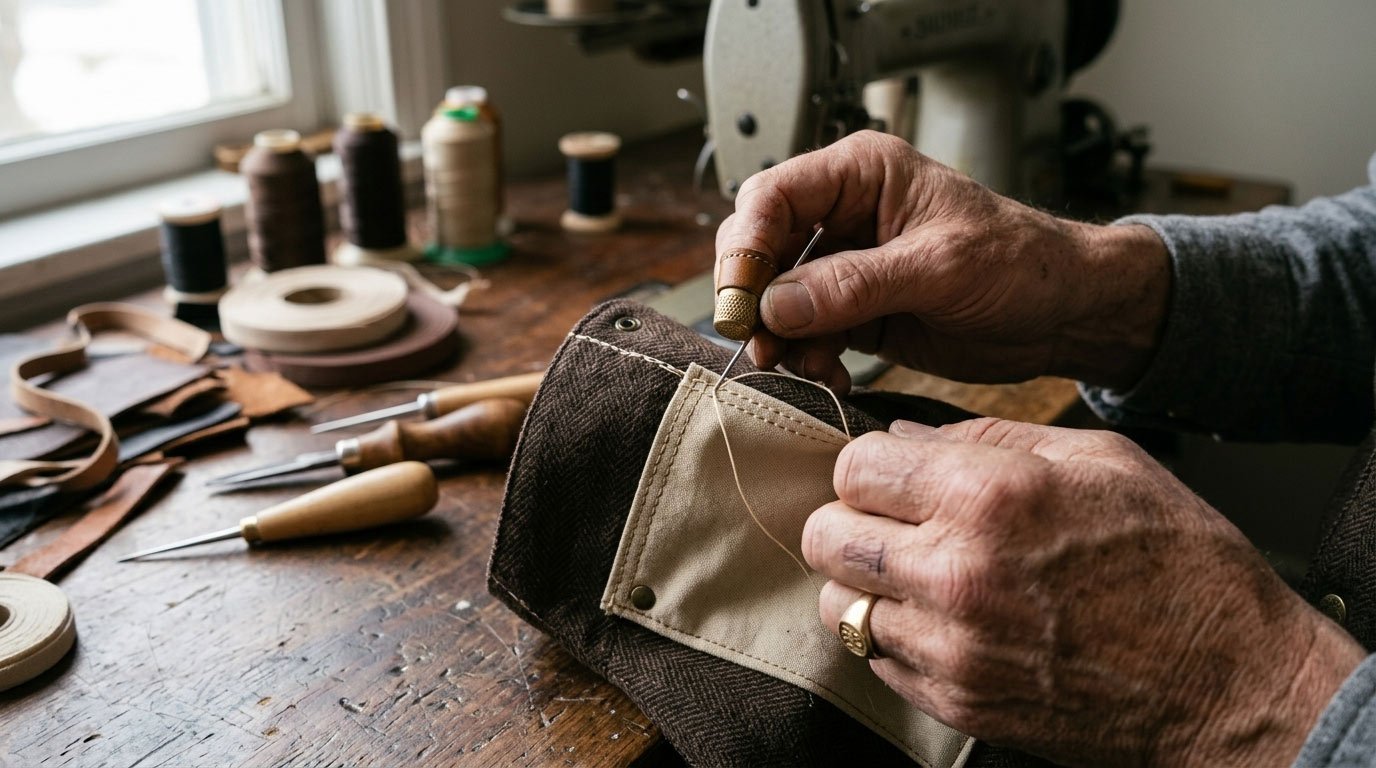
LMCV builds interior holster pockets to your specifications — position, depth, and closure type included. See the Custom Leather Motorcycle Vest Guide for the full picture, our pocket types guide for every configuration option, or browse Biker & Motorcycle Vests directly.
FAQ (for schema markup)
Q: Where should a CCW pocket be positioned on a motorcycle vest?
A: At mid-chest level, opening toward the front, so it’s reachable by leaning slightly forward while seated. Pockets positioned near the hem or opening toward the back are difficult to access in an actual riding position.
Q: Is a longer or shorter leather vest better for concealed carry?
A: A shorter or riding-specific cut generally positions the interior pocket higher on the chest, making it more accessible while seated. Longer traditional cuts push the pocket lower, closer to hip level.
Q: Is it legal to carry concealed on a motorcycle?
A: This depends entirely on your state’s laws and your individual license or permit. A vest’s pocket design accommodates a holster — it does not grant any legal right to carry. Confirm your rights with your state and a qualified attorney.

About author

Related posts
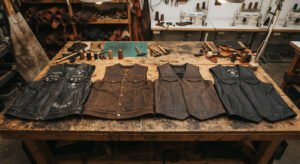
A good leather motorcycle vest comes down to five decisions: the right leather type for your riding style, an accurate chest-based size, a pocket layout... Continue reading
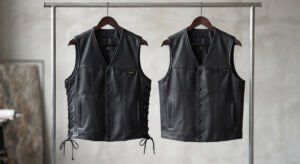
Side-lace vests use adjustable lacing at the ribcage for roughly 3–4 inches of torso adjustment — useful for riders who layer heavily by season or... Continue reading
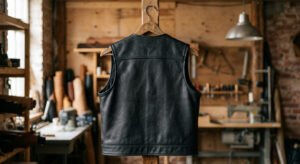
A patch-ready back panel is a single, uninterrupted piece of leather with no vertical center seam, cut from leather in the 2–3oz range (about 0.8–1.2mm)... Continue reading
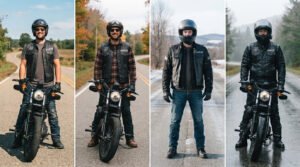
In summer, wear the vest alone over a lightweight or moisture-wicking shirt. In fall and spring, layer it over a flannel or thermal shirt. In... Continue reading
Pocket configuration should match how you actually carry, not how a vest looks on a rack. Riders who run saddlebags need only 2–4 pockets; everyday... Continue reading
Add comment